How Screen Time Affects Your Eyes: Understanding Digital Eye Strain in the Modern Age
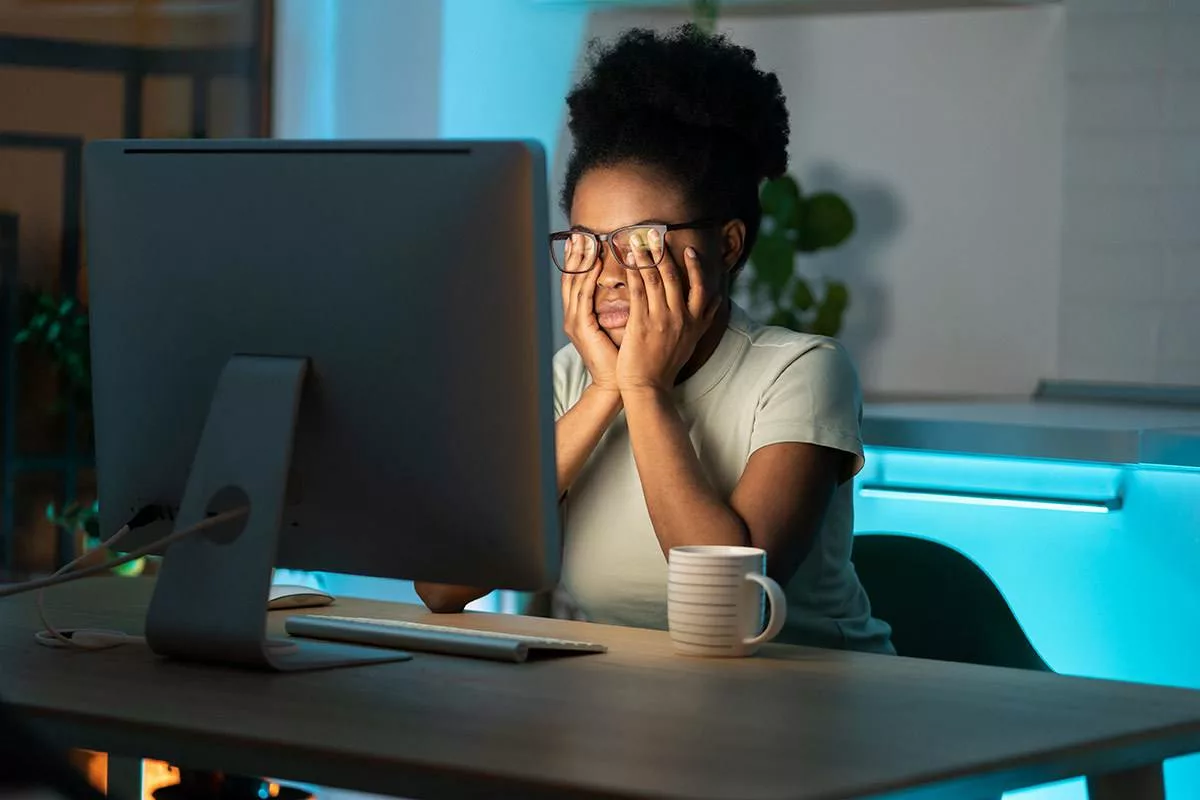
In today's digital world, screens surround us—at work, during studies, and while scrolling through social media. Yet, all this screen time really tugs on our eyes. If you've ever felt your eyes get tired or experienced headaches and blurry vision after staring at a screen, you've probably had digital eye strain, or Computer Vision Syndrome (CVS).
So, how exactly does screen time lead to these issues?
1. Reduced Blinking Leads to Dry Eyes
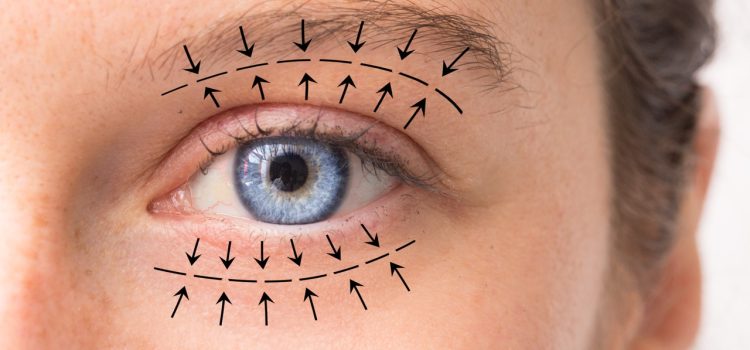
When you focus on a screen, you tend to blink way less than usually only half as much, actually. This matters because blinking is key for keeping your eyes moist and comfy. Without regular blinks, your peepers can get dry, irritated, red, and might even feel like there's something in them.
This leads to:
- Dry eyes
- Burning sensation
- Eye irritation
- Redness
- Foreign body sensation
People who already suffer from dry eye syndrome may notice worsening symptoms after prolonged screen use.
2. Causes Eye Fatigue
Prolonged screen time strains eye muscles because you're staring at a screen for so long. This can cause:
- eye strain,
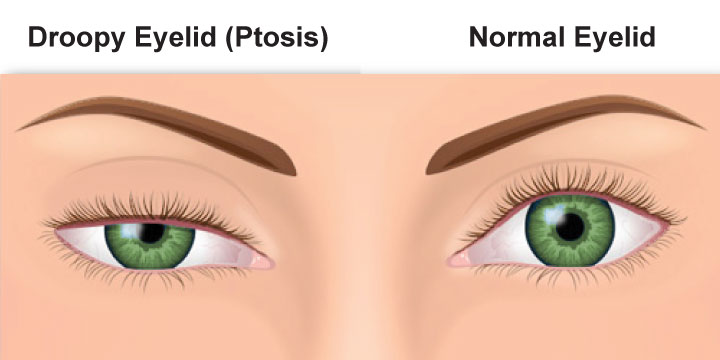
- heavy eyelids, and
- trouble focusing.
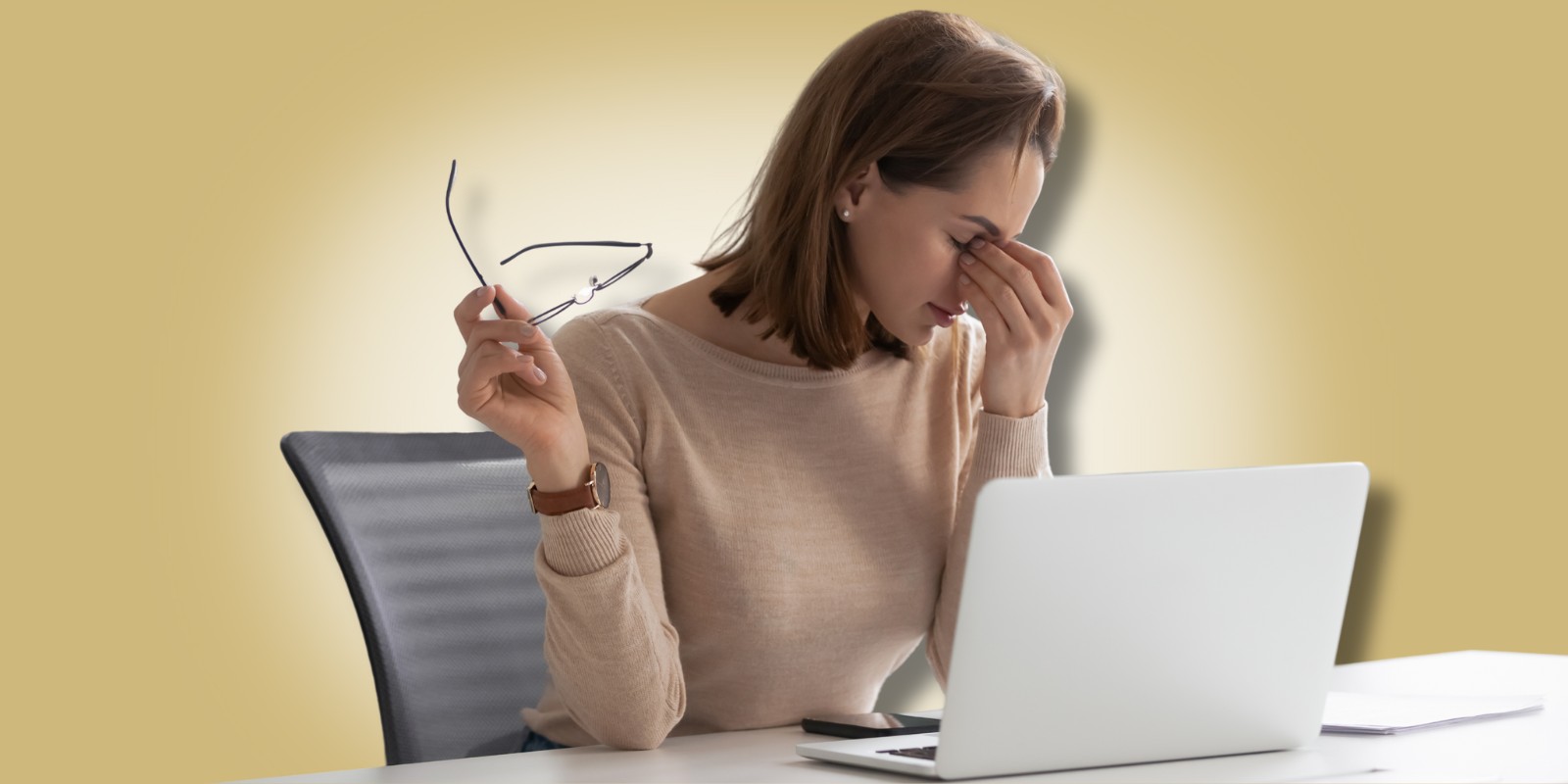
By the end of the day, your eyes feel utterly exhausted. This issue hits professionals hard, especially those staring at computer screens for 8–10 hours each day.
3. Blurred Vision
Using screens for long periods can give you blurry vision because your eyes work extra hard at focusing. This might make it hard to look back and forth between your screen and things far away. You could also get brief blurriness that gets better after a rest. Taking care of your eyes and forming good screen habits usually fixes these problems.
4. Headaches and Eye Discomfort
Digital eye strain often gives people headaches, mostly because of staring too long at screens without breaks. The strain could come from the screen not being bright enough, or reflecting too much light. It might get worse if you have vision problems that aren't corrected for.
5. Increased Risk of Myopia Progression in Children
One of the biggest concerns among eye specialists today is the rising prevalence of myopia (nearsightedness) in children.
- Research shows that Increased screen time
- Reduced outdoor activities
- Excessive near work
can contribute to the progression of myopia in children and teenagers. So parents need to keep an eye on how long kids use gadgets and make sure they spend plenty of time playing outdoors.
6. Sleep Disturbances Due to Blue Light Exposure
When it comes to sleep, our tablets and phones don't just take up time, but they affect how well we rest. Excessive nighttime screen use may:
- Delay sleep onset
- Reduce sleep quality
- Cause eye fatigue the next day
Limiting screen exposure before bedtime can help improve sleep quality.
Common Symptoms of Screen-Related Eye Problems
You may be experiencing digital eye strain if you notice:
- Dry eyes
- Burning sensation
- Watery eyes
- Eye redness
- Blurred vision
- Headaches
- Neck and shoulder pain
- Difficulty focusing
- Light sensitivity
- Eye fatigue
When Should You See an Eye Specialist?
You should see an eye specialist if you're dealing with :
- ongoing eye strain,
- frequent headaches,
- blurry vision,
- dry eyes,
- red eyes that don't improve,
- trouble focusing,
- or your vision getting worse.
Ignoring these symptoms can really harm your productivity, comfort, and overall quality of life, so it's best not to put off that appointment.