What to Do If You Develop Redness of the Eyes?
Eye redness is a frequent issue encountered by many people at least once in their lives. While sometimes eye redness could be related to some minor reasons such as insomnia, overwork in front of computer screens, dryness, or irritation, this issue can also indicate an infection, allergy, inflammation, injury, or other eye problems.
Given that there are multiple factors that could lead to similar redness, it is crucial to understand that each situation requires its approach.
Understanding the possible causes of redness, the safety of at-home actions, and the situations that require professional help could be vital for eye health.
What Does Eye Redness Mean?
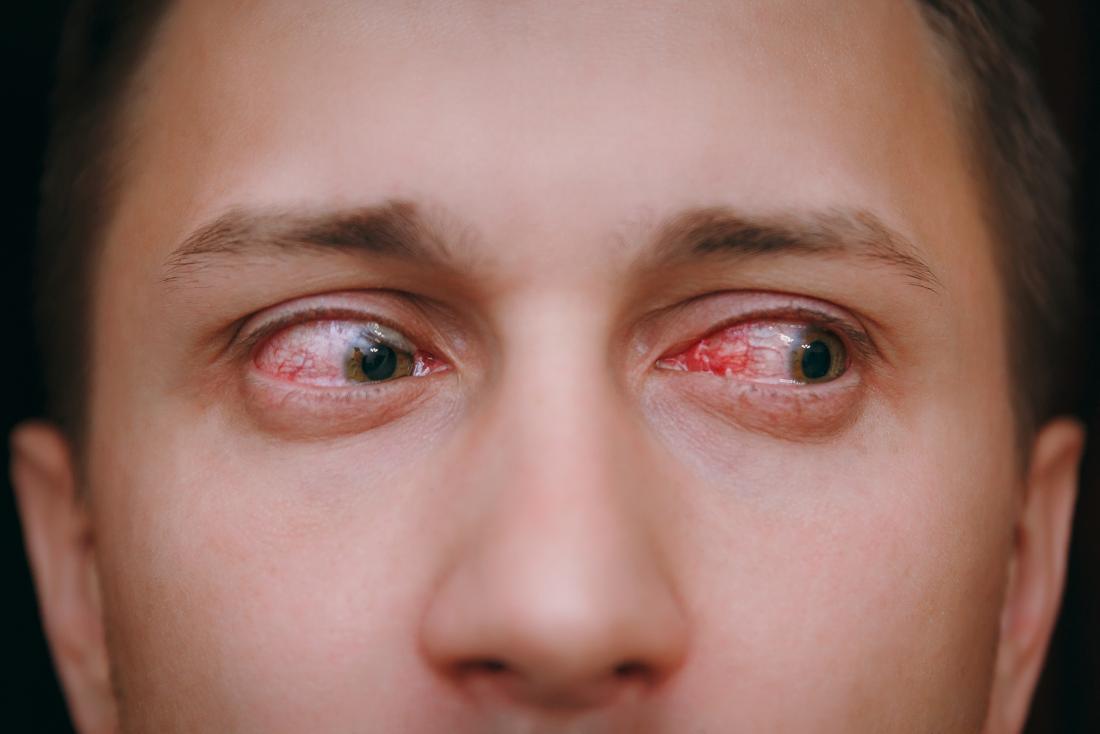
The white part of the eye is known as the sclera. This area has a number of very small blood vessels that, when dilated or irritated, can cause the eye to turn red.
An affected eye could be one or two eyes. In some cases, eye redness occurs alongside the following symptoms:
- Tearing of the eyes
- Itchiness
- Burning sensation
- Foreign body sensation
- Discharge from the eyes
- Swelling around the eyes
- Sensitivity to light
- Blurred vision
- Pain in the eyes
Together, the combination of these symptoms provides better insight than just redness alone.
Common Causes of Red Eyes
1. Dry Eyes
Dry eyes are some of the most common reasons for red eyes. If the eyes are unable to produce adequate amount of tears, or the tears get evaporated fast, it can irritate the eyes.
The symptoms of dry eyes are:
- Redness
- Burning sensation
- Stinging sensation
- Gritty feeling
- Watery eyes
- Temporary blurring of vision
Some factors that can worsen dry eye symptoms include prolonged screen time, air conditioning, pollution, and insufficient blinking.
2. Allergies
Allergic reactions in the eyes can result in substantial itching, redness, and tearing of the eyes. This can be caused by exposure to substances such as dust, pollen, smoke, animal hair or fur, among others.
An important sign is the occurrence of intense itching, especially when both eyes are involved.
However, rubbing the eyes can offer some relief, but will further aggravate the condition.
3. Conjunctivitis
The condition known as pink eye results from inflammation of the conjunctiva.
It can result from infections brought about by viruses, bacteria, or allergies.
Symptoms include:
- Pink or red eyes
- Excess tearing
- Discharge
- Eye irritation
- Puffy eyes
- Sensitivity to light in some instances
Infection due to viruses or bacteria is usually contagious, hence the need for good personal hygiene.
4. Prolonged Screen Time
Looking at cell phones, computers, and other screens for hours may cause eye strain and dryness. While focusing on a screen, people tend to blink fewer times than normal, and it leads to quick evaporation of the tear film.
The 20-20-20 technique can be applied: after every 20 minutes, you should look at an object located about 20 feet from you for 20 seconds.
5. Lack of Sleep and Fatigue
Red eyes could be the result of lack of sleep and could be connected to dryness, swelling, and irritation. While sufficient sleep might alleviate temporary redness, constant redness should not necessarily be related to fatigue.
6. Environmental Irritants
The irritants such as smoke, dust, pollution, strong odors, wind, and other environmental factors might cause temporary red eyes.
In case of mild irritation, staying away from the irritant and washing the eyes with clean water or saline solution might be helpful. But if a chemical irritant comes into contact with the eye, then it is an ocular emergency and requires immediate flushing. It cannot be considered as simple irritation.
What Should You Do When Your Eyes Become Red?
The correct way to react will depend upon the reason, but there are some general methods that can ease the irritation.
1. Avoid Rubbing Your Eyes
One of the most essential measures to consider is avoiding eye rubbing.
Eye rubbing may increase the irritation levels, introduce bacteria into your eye and may damage the eye’s surface.
2. Give Your Eyes a Break
If redness occurs because of extensive time spent in front of the screen, take frequent breaks and blink frequently to help with it. Dimming the screen, keeping a proper viewing distance, and minimizing glare are other tips that might assist in lessening eye strain.
3. Use a Clean and Cool Compress
In case of minor irritation or redness due to allergies, a clean and cool compress on the closed eyes might help temporarily. Do not press your eyes firmly.
4. Keep Good Eye Hygiene
It is important to wash your hands regularly, especially prior to touching your face or using eye drops. In case of eye discharge, you should clean your eyelids gently from any substances. Do not share towels, pillows or cosmetics in case of suspected infection.
5. Do Not Use Someone Else's Eye Drops
Not all eye drops are the same. Medicated eye drops, such as antibiotics or steroid-based, should not be used without consulting a specialist. In case of some eye infections, steroid-based drops can be harmful to your vision.
Even "redness relief" drops should not become a long-term solution in the absence of redness causes.
When Is Red Eye an Emergency?
Every case of a red eye is not necessarily an emergency condition, but some symptoms necessitate immediate medical evaluation.
Red eyes need immediate evaluation if they come along with:
- Eye pain, from moderate to severe
- Visual impairment, either sudden or significant
- Extreme sensitivity to light
- Swelling
- Injury to the eye
- Foreign body that cannot be easily removed
- Exposure to chemicals
- Headache, nausea or vomiting, in addition to the above symptoms
- A change in the pupil
- Vision problems, following surgery or any other eye procedure
It should be emphasized that vision impairment and pain, in addition to red eyes, are especially indicative of danger.
What If Only One Eye Is Red?
Red eye in one eye can be a result of many medical disorders, including irritation, a foreign object, infections, inflammation or injuries.
Having one affected eye does not mean that the medical condition is a minor issue.
In case of persistent red eye in one eye, pain, impaired vision or discharge, an eye specialist will help to define the cause of the disorder.
Can You Prevent Red Eyes?
Though not all causes of red eyes can be prevented, certain behaviors can promote healthy eyes.
- Protect Your Eyes From Irritants
- Wear appropriate protective eyewear when working in dusty environments, laboratories, workshops or situations where particles may enter the eye.
- Follow Good Screen Habits
- Take frequent computer breaks and blink often.
- Do Not Share Eye Cosmetics
- Eye makeup including mascara, eyeliner, and others may be easily contaminated. Do not share such products and replace them on time after the recommended period of use.
- Proper Removal of Contact Lenses
- Take proper care while using contact lenses and remove them immediately in case your eyes become red, irritated or painful.
- Diagnosing Persistent Problems
- Recurrent problems of unexplained eye redness need proper examination. Failure to find the root of the issue may make the condition persist further.
Why Should You Not Ignore Persistent Eye Redness?
Redness in the eye is a sign and not a diagnosis. For instance, conditions such as dry eye, allergic reaction and conjunctivitis could all lead to red eyes, but each condition would require a different method of treatment. Additionally, there are rare but more serious eye conditions that could manifest as redness and pain.
The reason why self-diagnosis by the look of the eye alone is misleading is that an ophthalmologist is able to examine the eye and establish whether the redness is related to the surface of the eye or deeper layers.
Final Takeaway
A mildly red eye may sometimes improve with rest, avoidance of irritants and appropriate eye care. However, persistent redness, recurrent episodes or redness associated with pain, discharge, light sensitivity or changes in vision should be evaluated rather than repeatedly treated at home.
Your eyes can often tell you when something needs attention. If redness does not settle or is accompanied by concerning symptoms, an evaluation by an experienced ophthalmologist or eye specialist can help identify the cause and guide appropriate treatment.
For persistent or unusual eye redness, especially when it is associated with eyelid or surrounding-eye concerns, seeking an assessment from an ophthalmology specialist such as Dr. Svati Bansal, Oculoplasty & Neuro-Ophthalmology Specialist, can help ensure that the underlying problem is properly evaluated.

What to Do if You Develop Redness of the Eyes

How Screen Time Affects Your Eyes: Understanding Digital Eye Strain in the Modern Age

How to Reduce the Effects of Excessive Screen Time on Your Eyes
When Should You Speak with an Oculoplasty Specialist?