Optic Nerve Sheath Fenestration for Papilledema
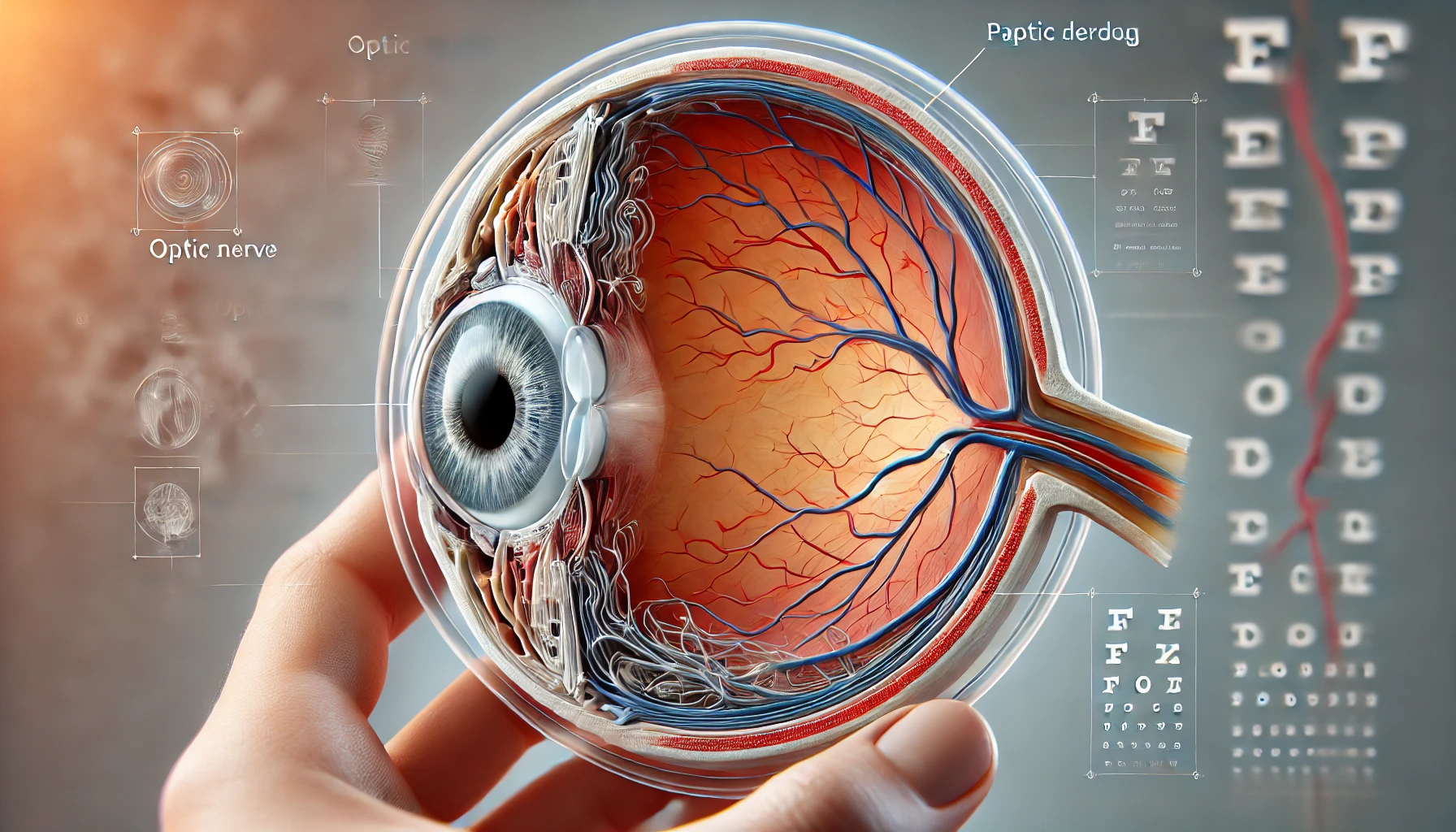
Papilledema refers to swelling of the optic disc, the point where the optic nerve enters the retina. This swelling is caused by increased pressure within the skull, which is transmitted along the cerebrospinal fluid (CSF) that surrounds the optic nerve.
The condition is commonly associated with idiopathic intracranial hypertension (IIH), brain tumors, venous sinus thrombosis, or other causes of raised intracranial pressure. If untreated, prolonged papilledema can lead to progressive optic nerve damage and irreversible vision loss.
When is Optic Nerve Sheath Fenestration Needed?
ONSF is usually considered when:
- Vision continues to worsen despite medical treatment such as acetazolamide or weight reduction (in IIH).
- There is rapid or severe visual deterioration threatening permanent blindness.
- Papilledema is asymmetric or predominantly affecting one eye, though the procedure can benefit both eyes by pressure redistribution.
- The patient is unable to tolerate or respond adequately to medications that reduce intracranial pressure.
- There are contraindications to CSF shunting procedures like ventriculoperitoneal or lumboperitoneal shunts.
Thus, ONSF serves as a sight-saving procedure rather than a cure for intracranial hypertension itself.
Anatomy of the Optic Nerve Sheath
The optic nerve is surrounded by three protective layers—dura mater, arachnoid mater, and pia mater—just like the brain. Between the arachnoid and pia lies the subarachnoid space, which contains CSF. In raised intracranial pressure, this fluid pressure is transmitted along the sheath, compressing the optic nerve fibers and causing papilledema.
By creating a fenestration (opening) in the sheath, CSF can escape into the surrounding orbital tissues, reducing pressure on the optic nerve head and alleviating swelling.
Preoperative Evaluation
Before ONSF, a detailed evaluation confirms diagnosis and assesses surgical suitability. Typical components include:
Ophthalmic Examination
- Visual acuity and color vision testing.
- Visual field analysis to detect peripheral vision loss.
- Fundus examination to grade papilledema severity.
- Neuroimaging: MRI/MRV to rule out space-occupying lesions or venous sinus thrombosis and to exclude other causes of raised intracranial pressure.
- Lumbar Puncture: Performed to measure intracranial pressure and evaluate CSF composition.
- Systemic Assessment: Evaluate medical stability and identify any contraindications to surgery.
Surgical Technique
ONSF is typically performed by an oculoplastic or neuro-ophthalmic surgeon under local or general anesthesia. Main steps:
- Approach to the optic nerve: Small incision through the medial upper eyelid or transconjunctival route to access the orbit.
- Exposure: Careful dissection through orbital tissues to expose the optic nerve sheath behind the globe.
- Creating the fenestration: Microsurgical instruments and an operating microscope are used to make a small slit or window in the sheath, allowing CSF to escape into orbital tissues.
- Pressure relief: Reduced subarachnoid pressure at the optic nerve head alleviates swelling and helps restore normal perfusion.
- Closure: Gentle closure of the incision to minimize trauma. The procedure is often done on the worse-seeing eye but can benefit both eyes indirectly.
Postoperative Care
- Eye patching temporarily to protect the operated eye.
- Topical antibiotics and anti-inflammatory drops to prevent infection and reduce swelling.
- Regular follow-up exams to monitor visual acuity, visual fields, and disc appearance.
- Activity restrictions such as avoiding heavy lifting or strenuous exertion for a few weeks.
Most patients return to normal activities within 1–2 weeks depending on healing and outcome.
Effectiveness of the Procedure
ONSF is effective at halting or improving visual deterioration from papilledema. Many patients experience stabilization or improvement in visual function, particularly when surgery is performed early. However, ONSF does not treat the underlying cause of raised intracranial pressure, so systemic management (e.g., for IIH) may still be required.
Potential Risks and Complications
- Transient double vision (diplopia) from nearby muscle disturbance.
- Vision loss (rare) if the optic nerve or its blood supply is damaged.
- Orbital hemorrhage or infection.
- CSF leak from the incision site.
- Ptosis (drooping eyelid) from eyelid tissue manipulation.
- Recurrent papilledema if the fenestration closes, sometimes requiring repeat surgery.
Risks are minimized when surgery is performed by experienced surgeons in well-equipped centers.
Alternative Treatments
Other options for managing papilledema include:
- Medical therapy: Acetazolamide, topiramate, weight loss, and lifestyle changes in IIH.
- CSF shunting: Lumboperitoneal (LP) or ventriculoperitoneal (VP) shunts to divert CSF.
- Venous sinus stenting: Considered when venous sinus narrowing contributes to elevated pressure.
ONSF is often preferred when vision is the primary concern and rapid sight preservation is needed.
Prognosis
The prognosis after ONSF is generally favorable: most patients experience immediate improvement in visual symptoms and reduced optic disc swelling. Long-term studies show stabilization or improvement in a large majority of cases, especially when surgery is done before irreversible optic atrophy occurs. Continued follow-up and management of intracranial pressure are essential, as additional treatments may be required.