Neuro Ophthalmology
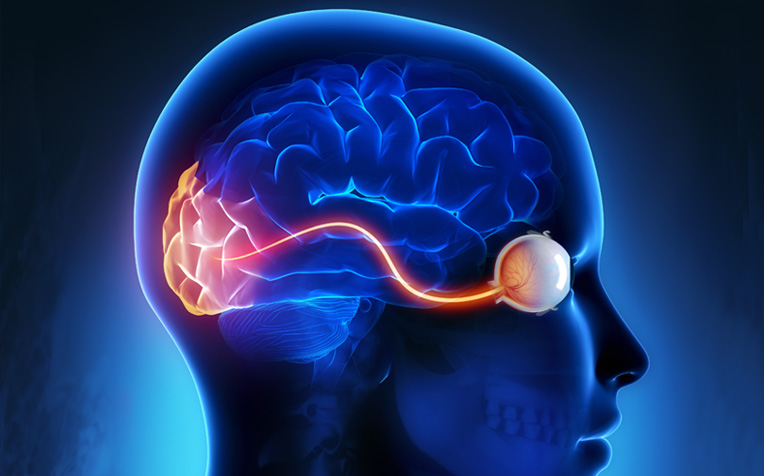
Vision is not merely an eye function—it is a highly sophisticated neurological process. The eyes capture light and images, but it is the brain that interprets and translates them into meaningful visuals. The optic nerve, a bundle of more than a million nerve fibers, acts as the communication bridge between the eyes and the brain.
When any part of this visual pathway—ranging from the retina to the occipital lobe—is affected, vision problems may occur. Neuro-ophthalmologists specialize in identifying whether these problems arise from the eye itself or from the nervous system.
Common Disorders Treated in Neuro-Ophthalmology
Neuro-ophthalmology covers a wide array of conditions that involve both visual and neurological systems. Some of the most common include:
-
Optic Neuritis
Optic neuritis is inflammation of the optic nerve, often associated with autoimmune diseases like multiple sclerosis (MS). It can cause sudden vision loss, pain during eye movement, and color desaturation. Early diagnosis is crucial since it can indicate the first sign of MS or other demyelinating diseases.
-
Papilledema
This condition occurs when the optic disc (where the optic nerve enters the eye) becomes swollen due to increased intracranial pressure. Causes may include brain tumors, hemorrhages, or idiopathic intracranial hypertension (pseudotumor cerebri). Symptoms often include blurred vision, double vision, and headaches.
-
Visual Field Defects
Damage to specific areas of the brain or optic pathways can lead to partial loss of the visual field (hemianopia or quadrantanopia). These defects often help doctors locate the exact site of neurological damage such as stroke or brain lesions.
-
Ocular Motor Nerve Palsies
There are three main cranial nerves (III, IV, VI) responsible for eye movements. Damage to these nerves can lead to double vision (diplopia), drooping eyelids (ptosis), or misalignment of the eyes. Causes may include diabetes, trauma, aneurysms, or infections.
-
Myasthenia Gravis
This autoimmune neuromuscular disorder causes weakness in voluntary muscles, including those controlling the eyes and eyelids. Patients may experience fluctuating double vision and droopy eyelids, which worsen with fatigue.
-
Nystagmus
Nystagmus is an involuntary rhythmic movement of the eyes. It can result from neurological disorders, inner ear problems, or certain medications. Treatment involves addressing the underlying cause and sometimes using medications or vision therapy.
-
Stroke-Related Vision Loss
A stroke can damage the visual centers of the brain, leading to partial or complete vision loss. Rehabilitation with vision therapy, prism glasses, and compensatory strategies helps patients adapt to their vision changes.
-
Optic Neuropathy
This refers to damage to the optic nerve due to various causes like ischemia (poor blood flow), toxins, or inflammation. The result is reduced vision, color perception loss, or blind spots.
-
Brain Tumors Affecting Vision
Tumors located near the optic nerve or visual pathway can compress the nerve, causing gradual vision loss or visual field defects. Neuro-ophthalmologists work alongside neurologists and neurosurgeons for diagnosis and management.
Symptoms That Indicate a Neuro-Ophthalmic Problem
While many vision issues can be corrected with glasses or surgery, neuro-ophthalmic conditions often present with unique symptoms that require deeper evaluation. Patients should seek medical attention if they experience:
- Sudden or progressive vision loss
- Double vision or misaligned eyes
- Visual field loss or “missing areas” in vision
- Unexplained headaches with visual disturbances
- Drooping eyelids
- Abnormal pupil reactions
- Light sensitivity or color vision changes
- Vision fluctuations associated with fatigue
These symptoms often indicate neurological involvement and should not be ignored.
Diagnostic Procedures in Neuro-Ophthalmology
Diagnosing neuro-ophthalmic conditions requires both eye and neurological assessments. A neuro-ophthalmologist performs detailed evaluations, including:
- Comprehensive Eye Examination: Checking visual acuity, pupil responses, and eye movements.
- Visual Field Testing: Mapping areas of vision loss to identify where the problem lies in the visual pathway.
- Optical Coherence Tomography (OCT): Imaging the optic nerve and retina to detect subtle structural changes.
- Neuroimaging (MRI or CT Scans): Detecting lesions, tumors, or other abnormalities in the brain and optic nerve.
- Blood Tests: Identifying autoimmune or infectious causes.
- Lumbar Puncture: Measuring cerebrospinal fluid pressure in cases like papilledema.
These diagnostic tools help pinpoint the exact cause and location of visual disturbances.
Treatment Approaches
The treatment of neuro-ophthalmic disorders depends on their underlying cause. The goal is to restore or stabilize vision, relieve symptoms, and prevent further damage.
-
Medical Management
Inflammatory conditions like optic neuritis are often treated with corticosteroids to reduce swelling and speed up recovery.
Autoimmune disorders such as myasthenia gravis may require immunosuppressants or plasma exchange therapy.
Infections are treated with appropriate antibiotics or antiviral medications.
-
Surgical Intervention
Some conditions, such as brain tumors, aneurysms, or severe intracranial hypertension, may require neurosurgical treatment. Neuro-ophthalmologists collaborate closely with neurosurgeons and neurologists in such cases.
-
Vision Rehabilitation
When vision loss is permanent or only partially recoverable, rehabilitation helps patients adapt. This includes:
- Prism lenses to realign vision in double vision cases.
- Low-vision aids for patients with field defects.
- Vision therapy exercises to strengthen coordination and perception.
-
Lifestyle and Supportive Care
Patients are advised to manage chronic conditions such as diabetes, hypertension, or autoimmune diseases to prevent further damage. Emotional and psychological support also plays a key role, as visual impairment can deeply affect quality of life.
The Role of Technology in Modern Neuro-Ophthalmology
Advancements in imaging and diagnostic technology have revolutionized neuro-ophthalmology. High-resolution MRI, OCT angiography, and artificial intelligence-assisted screening tools now allow doctors to detect minute changes in optic nerve function and brain structures. These tools enable earlier diagnosis and more effective treatment planning.
Telemedicine has also become increasingly important, especially for follow-up care and monitoring chronic neuro-ophthalmic conditions remotely.
Importance of Early Diagnosis
Early detection of neuro-ophthalmic disorders can be life-saving. Visual symptoms often serve as the first warning sign of serious neurological diseases. For example, sudden vision loss due to optic neuritis may precede multiple sclerosis, or papilledema may signal increased intracranial pressure due to a brain tumor. Timely diagnosis allows for early intervention, reducing the risk of permanent vision loss or neurological damage.