Eyelid Tumor Surgery in Gurugram
Eyelid Tumor
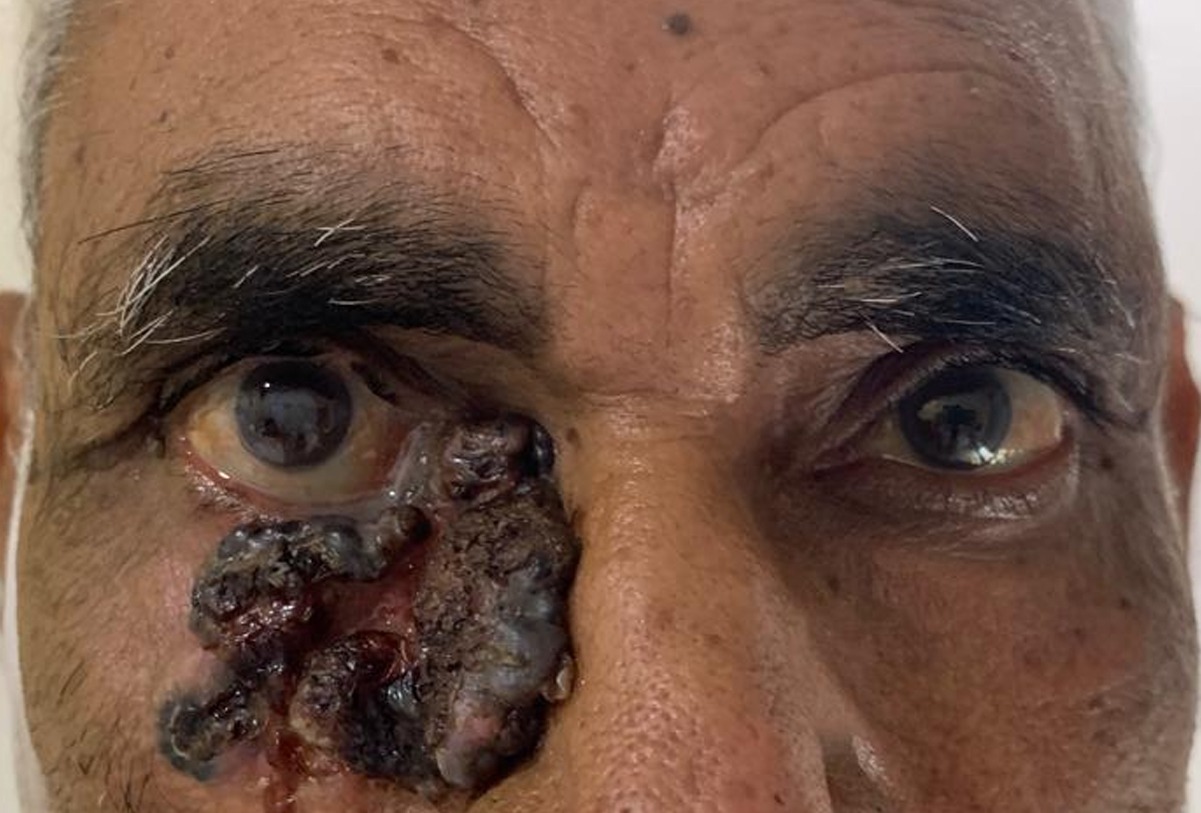
An eyelid tumor is an abnormal growth that develops on or within the tissues of the eyelid. These tumors can be benign (non-cancerous) or malignant (cancerous), affecting the skin, glands, or deeper structures of the eyelid. Early detection is crucial, as malignant tumors can damage the eyelid, surrounding tissues, or even the eye itself. Eyelid tumors vary in size, appearance, and growth rate, making timely diagnosis and intervention essential for preserving both vision and aesthetic appearance.
Understanding Eyelid Tumors
The eyelids consist of multiple layers: skin, muscle, tarsal plate, glands, and conjunctiva. Tumors can arise from any of these structures:
- Skin: Most common site, often linked to sun exposure.
- Glands: Includes meibomian or sweat glands.
- Conjunctiva: Inner eyelid surface may develop epithelial or vascular tumors.
Benign tumors usually grow slowly and remain localized, while malignant tumors may invade nearby tissues and metastasize if untreated.
Types of Eyelid Tumors
benign lesions:
- Chalazion: Blocked oil gland forming a firm, painless lump.
- Papilloma: Soft, wart-like growths on the eyelid margin.
- Seborrheic Keratosis: Waxy, pigmented lesions common in older adults.
- Cysts: Such as epidermal inclusion cysts or dermoid cysts.
Malignant Tumors:
- Basal Cell Carcinoma (BCC): The most common eyelid cancer, slow-growing, rarely metastasizes but can destroy local tissue.
- Squamous Cell Carcinoma (SCC): Faster-growing and more aggressive than BCC; can invade deeper tissues.
- Sebaceous Gland Carcinoma: Rare but highly aggressive; often mistaken for a chalazion.
- Melanoma: Pigmented tumors that can arise from eyelid skin or conjunctiva; may metastasize.
- Lymphoma: Can present as a painless eyelid swelling, usually in older adults.
Causes and Risk Factors
Eyelid tumors may arise due to:
- Prolonged Sun Exposure: Ultraviolet (UV) radiation increases the risk of skin cancers.
- Genetic Predisposition: Family history of skin or eyelid cancers.
- Chronic Inflammation: Long-standing infections or eyelid lesions.
- Age: Older adults are at higher risk of both benign and malignant tumors.
- Immunosuppression: Reduced immunity can promote tumor growth.
Symptoms of Eyelid Tumors
Symptoms vary depending on tumor type and location:
- Visible lump or mass on the eyelid
- Swelling or thickening of the eyelid
- Redness or irritation around the lesion
- Bleeding, ulceration, or crusting on the eyelid surface
- Changes in eyelid shape or eyelash loss
- Pain or tenderness (more common in aggressive tumors)
- Persistent tearing or eyelid irritation
Malignant tumors often grow gradually and may initially resemble benign conditions like a chalazion or stye.
Diagnosis
Accurate diagnosis is essential to distinguish benign from malignant tumors:
- Clinical Examination: Evaluates size, shape, color, and eyelid involvement.
- Slit Lamp Examination: Provides a detailed view of the lesion and its margins.
- Imaging (CT or MRI): Used for large tumors or suspected deep invasion.
- Biopsy: Definitive diagnosis requires tissue sampling, often with excisional or incisional biopsy.
- Histopathology: Determines tumor type and guides treatment planning.
Early detection is key to effective treatment and preserving eyelid function.
Treatment Options
Treatment depends on the tumor type, size, location, and whether it is benign or malignant.
1. Benign Tumors
- Excision: Complete removal of the growth with minimal tissue loss.
- Cryotherapy or Laser Therapy: For small superficial lesions.
- Observation: Some benign tumors may be monitored if they are asymptomatic and slow-growing.
2. Malignant Tumors
- Surgical Excision: The preferred treatment, often using Mohs micrographic surgery for precise margin control, especially in BCC and SCC.
- Reconstructive Surgery: Following removal, eyelid reconstruction restores function and appearance using local flaps, grafts, or tarsal substitutes.
- Radiation Therapy: Used in select cases when surgery is not feasible.
- Topical Chemotherapy: Occasionally applied for superficial lesions like conjunctival SCC.
Prompt removal reduces the risk of recurrence, tissue destruction, and metastasis.
Postoperative Care and Recovery
- Eye Lubrication: Artificial tears or ointments protect the cornea after surgery.
- Antibiotic Eye Drops or Ointments: Prevent postoperative infection.
- Cold Compresses: Reduce swelling and discomfort.
- Activity Restrictions: Avoid strenuous activity and trauma to the eyelid during healing.
- Follow-Up Visits: Monitor for recurrence or complications.
Recovery depends on tumor size, surgical complexity, and individual healing response.
Complications
Potential complications include:
- Scarring or cosmetic asymmetry
- Incomplete eyelid closure leading to dry eyes
- Recurrence of malignant tumors
- Infection or delayed wound healing
- Rarely, vision impairment if the eye is involved
Proper surgical technique and follow-up care minimize complications.
Prevention and Early Detection
- Sun Protection: Wear sunglasses with UV protection and use sunscreen around eyelids.
- Regular Eye Exams: Early detection of suspicious growths improves outcomes.
- Avoid Chronic Irritation: Prevent repeated trauma or infection to the eyelid.
- Prompt Medical Evaluation: Any persistent lump, ulcer, or change in the eyelid should be assessed immediately.