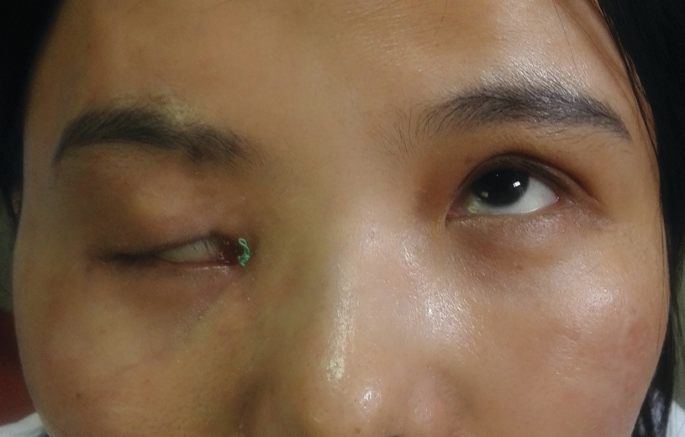
Eyelid Trauma Reconstruction Surgery in Gurugram
Eyelid Trauma Reconstruction
Eyelid trauma reconstruction is a specialized field of oculoplastic surgery focused on repairing eyelids damaged by injury, burns, lacerations, or surgical complications. The eyelids play a crucial role in protecting the eyes, maintaining lubrication, and supporting vision. Trauma to this delicate structure can lead to functional impairment, cosmetic deformities, and vision-threatening complications if not addressed promptly and effectively.
Eyelid injuries range from minor cuts to severe tissue loss. Because the eyelids are thin and richly vascularized, even small wounds can result in significant scarring or distortion. Common types of trauma include:
- Lacerations: Cuts or tears caused by sharp objects.
- Blunt Trauma: Impact injuries that may crush or detach eyelid tissue.
- Burns: Thermal or chemical injuries causing tissue loss and contracture.
- Avulsions: Partial or complete tearing of the eyelid.
- Post-Surgical Defects: Complications from eyelid or orbital surgery.
Severe trauma may involve not only the skin but also the muscles, tarsal plate, conjunctiva, and surrounding orbital tissue, requiring intricate reconstructive techniques.
Causes of Eyelid Trauma
- Accidents: Road traffic collisions, falls, or sports injuries.
- Animal Bites: Dogs or other animals can cause lacerations or tissue loss.
- Workplace Injuries: Industrial or construction accidents.
- Assault or Violence: Blunt or sharp trauma from attacks.
- Chemical or Thermal Burns: Exposure to corrosive substances or fire.
The severity and type of trauma influence the reconstructive approach and urgency of treatment.
Symptoms of Eyelid Trauma
Traumatic eyelid injuries can present with a variety of symptoms, including:
- Visible cuts, tears, or missing tissue
- Swelling, bruising, or hematoma formation
- Pain or tenderness around the eye
- Bleeding or discharge
- Drooping or malposition of the eyelid
- Inability to close the eye fully
- Blurred vision or double vision if the globe or muscles are involved
Prompt evaluation is critical, as untreated trauma can lead to corneal exposure, scarring, infection, and permanent vision loss.
Diagnosis and Evaluation
A thorough assessment by an oculoplastic or ophthalmic surgeon is essential:
- Visual and Functional Assessment: Evaluates eyelid movement, eye closure, and visual acuity.
- Tissue Examination: Determines the extent of skin, muscle, tarsal, and conjunctival damage.
- Imaging Studies (CT or MRI): Used in severe trauma or when orbital bones are involved.
- Photographic Documentation: Helps in planning surgical reconstruction and monitoring outcomes.
Early and accurate evaluation ensures optimal functional and aesthetic results.
Treatment Approaches
Treatment for eyelid trauma depends on the extent, location, and complexity of the injury. Management often combines emergency repair and staged reconstructive surgery.
1. Primary Repair
For fresh injuries:
- Cleaning and Debridement: Removing debris and dead tissue to prevent infection.
- Wound Closure: Using fine sutures to align skin, muscle, and tarsal tissues.
- Layered Repair: Ensuring proper alignment of all eyelid layers to maintain function.
- Antibiotics and Tetanus Prophylaxis: To prevent infection.
Early repair reduces scarring and preserves eyelid function.
2. Reconstruction for Tissue Loss
When trauma results in missing skin or structural tissue:
- Skin Grafts: Taken from the upper eyelid, cheek, or postauricular area to replace lost skin.
- Flap Surgery: Local or regional flaps bring tissue with blood supply to reconstruct complex defects.
- Tarsal Plate Reconstruction: Using cartilage or hard palate grafts to restore eyelid rigidity and support.
- Canthal Reconstruction: Rebuilding the inner or outer corners of the eyelid for stability and symmetry.
Reconstruction often involves staged procedures, especially in severe burns or avulsion injuries.
3. Specialized Techniques
- Upper Eyelid Reconstruction: Focuses on restoring the levator function to allow normal eyelid movement.
- Lower Eyelid Reconstruction: Ensures proper lid closure and corneal protection.
- Full-Thickness Eyelid Defects: Require meticulous restoration of skin, muscle, tarsal plate, and conjunctiva.
- Scar Revision: Secondary surgeries may be needed to improve eyelid contour, symmetry, and mobility.
Postoperative Care and Recovery
After eyelid trauma reconstruction:
- Cold Compresses reduce swelling in the initial days.
- Topical Antibiotic Ointments or Eye Drops prevent infection.
- Pain Management as needed.
- Activity Restriction: Avoid rubbing, heavy lifting, or trauma to the eyes.
- Follow-Up Visits are essential to monitor healing, detect infection early, and assess eyelid function.
Recovery varies depending on the injury's severity, but most patients regain functional eyelid movement and satisfactory cosmetic appearance within weeks to months.
Complications
Potential complications include:
- Infection or delayed wound healing
- Scarring or contracture affecting eyelid mobility
- Residual malposition (ectropion, entropion, ptosis)
- Corneal exposure or irritation
- Cosmetic asymmetry requiring revision surgery
Early intervention and precise surgical technique reduce the likelihood of complications.
Prevention of Eyelid Trauma
While accidents cannot always be prevented, certain measures can minimize risk:
- Use protective eyewear during sports, construction, or high-risk activities.
- Practice workplace safety protocols to avoid industrial injuries.
- Handle chemicals and hot substances with caution.
- Ensure childproofing and fall prevention at home.