Eyelid Retraction Treatment in Gurugram
Eyelid Retraction
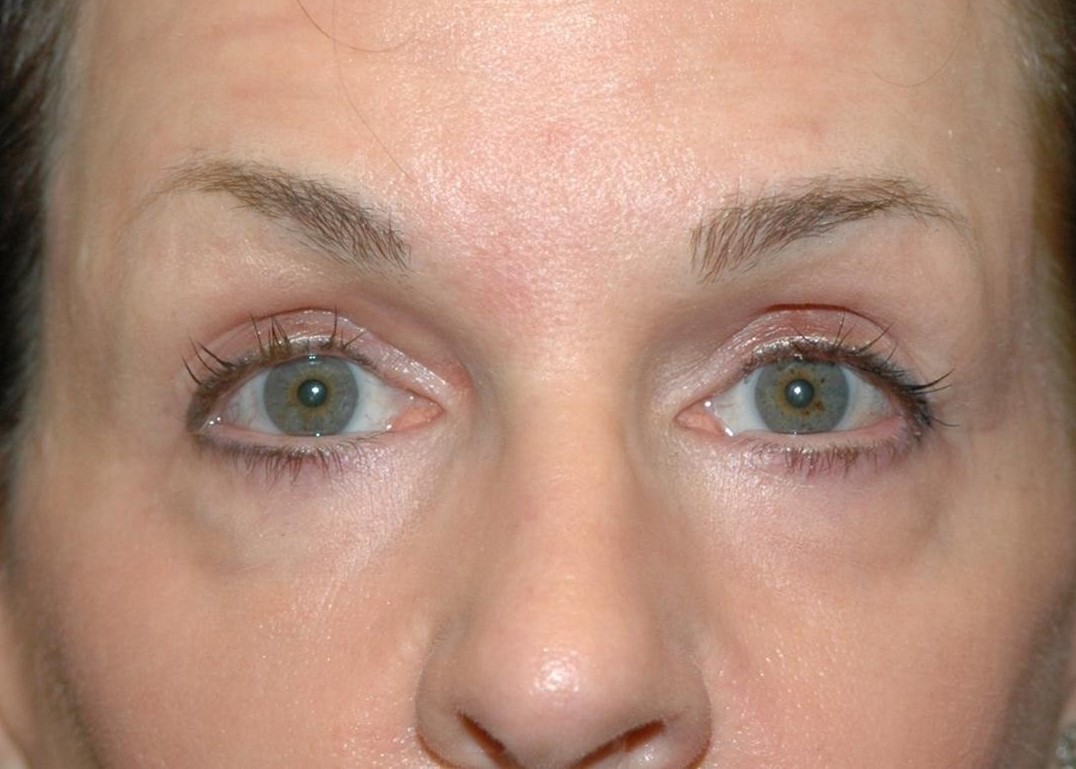
Eyelid retraction refers to an abnormal condition where the upper or lower eyelid is pulled back from its normal position, exposing more of the eye’s surface than usual. This creates a wide-eyed or staring appearance and may lead to discomfort, dryness, or cosmetic concerns. Eyelid retraction can affect one or both eyes and often arises due to muscular imbalance, scarring, thyroid disorders, or previous surgeries.
The eyelids play a crucial role in protecting the eyes, distributing tears evenly, and preventing dryness or injury. When the eyelid retracts—meaning it opens too widely or sits too high (upper lid retraction) or too low (lower lid retraction)—the eye becomes more exposed to air, increasing the risk of irritation, dryness, and redness.
Eyelid retraction is more commonly seen in the upper eyelid, but lower lid involvement is not uncommon, particularly following trauma or surgery.
Types of Eyelid Retraction
Upper Eyelid Retraction:
The upper eyelid sits higher than normal, often revealing more of the white part of the eye (sclera) above the iris. This can make the eyes appear startled or bulging.
Lower Eyelid Retraction:
The lower eyelid is pulled downward, exposing the lower sclera and causing incomplete closure of the eyes. This can lead to irritation, tearing, and cosmetic imbalance.
Common Causes of Eyelid Retraction
Eyelid retraction can arise from several different conditions. The most frequent causes include:
- Thyroid Eye Disease (Graves’ Ophthalmopathy): The most common cause of eyelid retraction, associated with hyperthyroidism or autoimmune thyroid disorders.
- Post-Surgical Changes: After eyelid or orbital surgery, scar tissue formation may tighten the eyelid, leading to retraction.
- Trauma: Injuries to the eyelids or surrounding tissues may cause muscle damage or scarring that pulls the eyelid back.
- Nerve or Muscle Disorders: Overactivity of the sympathetic nervous system or certain neurological conditions can cause eyelid over-elevation.
- Congenital Eyelid Retraction: Rarely, some individuals are born with eyelid malposition due to developmental abnormalities of the eye muscles.
- Cicatricial (Scarring) Retraction: Occurs when chronic inflammation, burns, or infections cause the skin and tissues of the eyelid to contract and tighten.
Symptoms of Eyelid Retraction
Eyelid retraction can lead to both functional and aesthetic issues. Common symptoms include:
- Excessive eye exposure or a wide-eyed look
- Eye dryness or burning sensation
- Redness and irritation
- Foreign body sensation (feeling like something is in the eye)
- Tearing (due to uneven tear film distribution)
- Light sensitivity (photophobia)
- Incomplete eyelid closure while blinking or sleeping
- Difficulty sleeping due to ocular dryness or discomfort
- Cosmetic concerns, such as asymmetry or a “staring” expression
If untreated, chronic exposure of the eye can lead to corneal damage, infections, or vision loss in severe cases.
Diagnosis
A thorough ophthalmic evaluation is essential to determine the cause and severity of eyelid retraction. Diagnosis typically involves:
- Visual Examination: Assessing eyelid position and degree of retraction.
- Slit Lamp Test: Checking for dryness, redness, or corneal damage.
- Thyroid Function Tests: To identify thyroid-related causes.
- Imaging (CT or MRI): To evaluate orbital muscles and surrounding structures if thyroid eye disease or trauma is suspected.
- Measurement of Lid Aperture: The distance between upper and lower eyelids helps quantify retraction severity.
A detailed medical history helps identify any prior trauma, surgeries, or systemic conditions linked to eyelid changes.
Treatment Options for Eyelid Retraction
Treatment depends on the underlying cause, severity, and symptoms. The goal is to restore eyelid position, protect the eye, and improve cosmetic appearance.
1. Conservative (Non-Surgical) Management
For mild cases or temporary conditions, non-surgical treatments may help alleviate symptoms:
- Lubricating Eye Drops or Ointments: To relieve dryness and protect the cornea.
- Moisture Chamber Glasses: To retain humidity around the eyes and prevent dryness.
- Taping the Eyelid During Sleep: Prevents excessive eye exposure overnight.
- Topical Steroids or Immunosuppressants: For inflammation caused by thyroid eye disease.
- Botulinum Toxin (Botox) Injections: Temporarily weaken the eyelid retractor muscles, lowering the lid for a few months.
These measures are particularly useful during the active inflammatory phase of thyroid eye disease.
2. Medical Management
When eyelid retraction is due to thyroid dysfunction, controlling the underlying thyroid condition is essential:
- Antithyroid Medications: Such as methimazole or propylthiouracil to balance hormone levels.
- Corticosteroids: Reduce inflammation in acute thyroid eye disease.
- Radiotherapy: Occasionally used in moderate thyroid eye disease to decrease tissue swelling and fibrosis.
Stabilizing the thyroid function often improves eyelid symptoms or prevents further progression.
3. Surgical Correction
If conservative treatment fails or the retraction is severe, surgery may be recommended. Surgical techniques aim to lower the eyelid to its natural position and restore symmetry.
- Levator Recession or Müller’s Muscle Recession: The surgeon relaxes or repositions the muscles that elevate the upper eyelid, allowing it to sit lower.
- Spacer Graft Surgery: A graft (from donor tissue or synthetic material) is inserted between the eyelid layers to lengthen and reposition the lower lid.
- Retractor Recession (Lower Lid): The lower eyelid retractor muscles are released to reduce downward pull.
- Canthoplasty or Canthopexy: Procedures performed to tighten or reposition the outer corner of the eyelid, enhancing stability and symmetry.
Surgery is typically delayed until the underlying disease (such as thyroid eye disease) has stabilized for at least 6–12 months.
Postoperative Care and Recovery
Following eyelid retraction surgery, proper care ensures optimal healing and results:
- Cold Compresses: Reduce swelling and discomfort.
- Antibiotic Ointments or Drops: Prevent infection.
- Avoid Rubbing the Eyes: For at least two weeks post-surgery.
- Regular Follow-Ups: To monitor eyelid position and healing.
Swelling and bruising usually subside within 1–2 weeks, and final results become apparent after complete tissue recovery.
Potential Complications
While eyelid retraction treatment is generally safe, possible complications include:
- Overcorrection or undercorrection of eyelid height
- Asymmetry between eyes
- Temporary swelling or bruising
- Scarring or mild tightness
- Recurrence of retraction in chronic conditions like thyroid eye disease