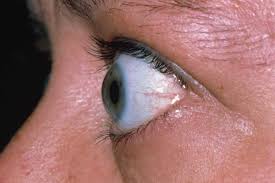
Bulging Eyes
Bulging eyes, medically referred to as proptosis or exophthalmos, is a condition in which one or both eyes protrude outward from their natural position within the eye sockets (orbits). This unusual prominence of the eyes can be both a cosmetic and a medical concern. While in some cases it develops gradually and painlessly, in others, it can occur suddenly, signaling an underlying serious disorder that demands prompt medical attention.
Normally, the eyes rest comfortably within the bony orbits, cushioned by muscles, fat, and connective tissue. When there is swelling, inflammation, or abnormal tissue growth behind the eyes, the eyeballs are pushed forward, giving them a protruding appearance. This displacement can interfere with blinking, lubrication, and protection of the eyes, leading to discomfort or even vision problems if left untreated.
Bulging eyes may occur in one eye (unilateral proptosis) or both eyes (bilateral proptosis). The underlying causes can range from inflammatory and infectious conditions to tumors or systemic diseases like thyroid disorders.
Common Causes of Bulging Eyes
Several medical conditions can lead to eye protrusion. Understanding the cause is key to determining the correct treatment.
1. Thyroid Eye Disease (Graves' Ophthalmopathy)
One of the most frequent causes of bulging eyes is thyroid eye disease (TED), often linked with Graves' disease, an autoimmune condition affecting the thyroid gland. The immune system mistakenly attacks the tissues around the eyes, causing swelling, inflammation, and fat buildup behind the eyeballs. This pushes the eyes forward, creating a bulging appearance.
Other symptoms of thyroid eye disease include:
- Swollen eyelids
- Redness and dryness
- Double vision
- Pain or pressure around the eyes
- Difficulty closing the eyes fully
2. Orbital Tumors
Benign or malignant tumors within the orbit can push the eye outward. Tumors may originate from orbital structures (primary) or spread from nearby areas such as the sinuses or brain (secondary).
Common examples include:
- Cavernous hemangioma (benign vascular tumor)
- Lymphoma
- Meningioma
- Metastatic cancers
A tumor-related proptosis usually develops slowly and may involve only one eye.
3. Orbital Cellulitis
This is a serious bacterial infection involving the tissues surrounding the eye, often following sinus infections or trauma. It can cause sudden bulging, redness, pain, and restricted eye movement. Orbital cellulitis is a medical emergency that requires immediate antibiotic treatment to prevent vision loss or brain complications.
4. Inflammatory Conditions
Diseases like sarcoidosis, granulomatosis with polyangiitis, or pseudotumor of the orbit (idiopathic orbital inflammation) can cause swelling and bulging of the eyes due to inflammation of orbital tissues. These conditions often require corticosteroid or immunosuppressive therapy.
5. Vascular Abnormalities
Abnormal blood flow in the vessels behind the eyes, such as carotid-cavernous fistula (an abnormal connection between arteries and veins), can cause sudden proptosis accompanied by pulsation, redness, and noise in the head (bruit).
6. Trauma or Injury
Blunt injury to the face or orbit can cause hemorrhage (bleeding) behind the eyeball, leading to rapid eye bulging. This condition, called retrobulbar hemorrhage, is an emergency that can threaten vision if not treated promptly.
7. Congenital or Developmental Causes
In rare cases, bulging eyes can be present from birth due to congenital disorders affecting the bones or tissues around the eyes, such as craniofacial syndromes or orbital deformities.
Symptoms Accompanying Bulging Eyes
In addition to noticeable eye protrusion, several other symptoms may occur, depending on the cause:
- Eye pain or pressure
- Redness and swelling
- Dryness or excessive tearing
- Double or blurred vision
- Difficulty closing the eyelids
- Light sensitivity
- Restricted eye movement
- Vision loss (in severe or untreated cases)
When one eye is affected, it's often due to trauma or tumor. When both eyes are involved, thyroid eye disease is the most likely cause.
Diagnosis of Bulging Eyes
A thorough medical and ophthalmic evaluation is essential to determine the underlying cause of proptosis.
- Medical History & Physical Examination: The doctor reviews symptoms, duration, and any related thyroid or systemic conditions.
- Eye Examination: A slit-lamp test and exophthalmometry (measurement of eye protrusion) help assess the degree of bulging.
- Imaging Tests: CT Scan or MRI provides detailed images of the orbit, helping identify tumors, inflammation, or bone abnormalities. Ultrasound is useful for detecting cysts or vascular abnormalities.
- Blood Tests: Thyroid function tests help confirm or rule out Graves' disease. Inflammatory or autoimmune markers may also be checked.
- Biopsy (if needed): In cases where a tumor or unknown mass is suspected, a biopsy may be performed to confirm the diagnosis.
Treatment Options for Bulging Eyes
Treatment depends on the root cause, severity, and potential complications. It often involves a multidisciplinary approach between ophthalmologists, endocrinologists, and sometimes neurosurgeons.
1. Treating Thyroid Eye Disease
- Control of Thyroid Levels: Managing hyperthyroidism through medication, radioiodine therapy, or surgery helps stabilize the disease.
- Corticosteroids: Reduce swelling and inflammation in the eye tissues.
- Immunotherapy: Newer biologic drugs such as teprotumumab target the autoimmune response.
- Orbital Decompression Surgery: In severe cases, removing small portions of bone or fat behind the eye can relieve pressure and allow the eyeball to return to its normal position.
- Supportive Care: Lubricating eye drops, cold compresses, and protective glasses help relieve discomfort and dryness.
2. Treating Orbital Tumors
- Surgical Removal: Benign tumors are often excised completely.
- Radiation or Chemotherapy: Used for malignant or metastatic tumors.
- Targeted Therapy: For specific cancer types, to shrink or control tumor growth.
3. Treating Orbital Cellulitis
Immediate hospitalization is required. Treatment includes:
- Intravenous Antibiotics to combat infection.
- Surgical Drainage if abscess formation occurs.
Prompt treatment can prevent complications such as vision loss or brain infection.
4. Managing Inflammatory or Vascular Causes
- Corticosteroids or Immunosuppressants: To control inflammation.
- Embolization or Surgery: To treat vascular abnormalities like carotid-cavernous fistulas.
5. Trauma-Related Treatment
Emergency intervention may involve:
- Decompression Surgery: To relieve orbital pressure.
- Control of Bleeding and Swelling: With medications or surgical drainage.
Complications if Left Untreated
Untreated or severe cases of bulging eyes can lead to:
- Corneal Damage: Due to incomplete eyelid closure, leading to dryness and ulcers.
- Double Vision or Misalignment: Resulting from damaged eye muscles.
- Permanent Vision Loss: If the optic nerve is compressed.
- Psychological Impact: Changes in appearance may cause emotional distress and reduced self-esteem.
Living with Bulging Eyes
For many individuals, especially those with thyroid-related eye disease, lifestyle adjustments and medical care can help manage symptoms effectively. Simple measures include:
- Using lubricating eye drops to prevent dryness.
- Wearing sunglasses outdoors to protect against wind and UV rays.
- Sleeping with the head elevated to reduce swelling.
- Quitting smoking, as it worsens thyroid eye disease.
- Attending regular check-ups to monitor progress.