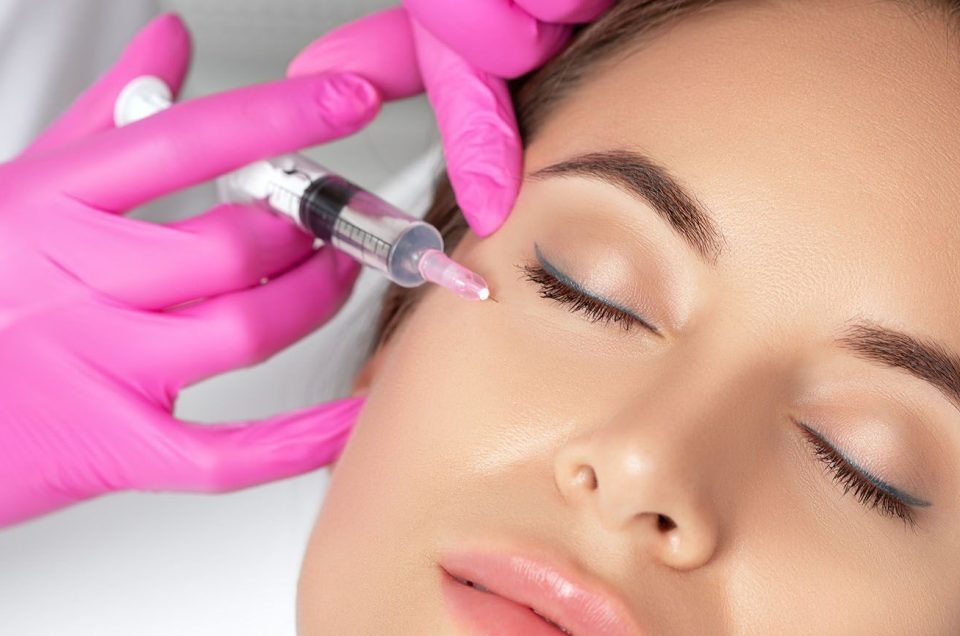
Botox
Botox is a purified neurotoxin derived from the bacterium Clostridium botulinum. While the term "toxin" may sound intimidating, in controlled and minuscule doses, it is completely safe when administered by trained professionals. Botox works by temporarily blocking nerve signals to targeted muscles, reducing their ability to contract. As a result, wrinkles and fine lines caused by repeated facial expressions soften, giving the skin a smoother and more relaxed appearance.
How Botox Works
Every smile, frown, or squint creates movement in facial muscles. Over time, these movements cause dynamic wrinkles — lines that appear when muscles contract. Botox interrupts the communication between nerves and muscles by preventing the release of acetylcholine, a neurotransmitter responsible for muscle contractions. Within a few days of injection, the muscles relax, allowing the overlying skin to appear smoother and more youthful.
The effects of Botox are temporary, generally lasting between three to six months. With consistent treatments, the results can be maintained, and muscle memory may even weaken over time, prolonging the youthful appearance.
Cosmetic Uses of Botox
Botox's cosmetic benefits extend far beyond simple wrinkle reduction. It is an artful tool used by aesthetic specialists to enhance facial harmony while preserving natural expressions. Common areas treated include:
- Forehead Lines: Smooths horizontal lines caused by raising the eyebrows.
- Frown Lines (Glabellar Lines): Reduces the vertical "11 lines" between the eyebrows.
- Crow's Feet: Softens fine lines radiating from the corners of the eyes.
- Bunny Lines: Minimizes creases on the bridge of the nose.
- Lip Flip: Enhances the upper lip by relaxing muscles around the mouth.
- Neck Bands: Reduces visible neck muscle tension and smooths contours.
When administered correctly, Botox does not freeze expressions but rather refines them, maintaining a natural, refreshed look.
Medical Applications of Botox
Beyond aesthetics, Botox has proven therapeutic value in several medical conditions, including:
- Chronic Migraines: Botox injections can reduce the frequency and intensity of headaches.
- Excessive Sweating (Hyperhidrosis): It blocks sweat gland activity, offering relief for patients with overactive perspiration.
- Muscle Spasms: Used to treat eyelid twitching (blepharospasm), neck spasms, and limb stiffness.
- Overactive Bladder: Helps in managing urinary incontinence caused by bladder muscle hyperactivity.
- Strabismus (Squint): Botox can realign eye muscles temporarily to correct misalignment.
Thus, Botox's medical reach extends beyond beauty—it improves comfort, function, and overall well-being.
The Procedure: Simple Yet Skillful
A Botox session is a non-surgical, minimally invasive treatment typically completed in 10 to 20 minutes. The practitioner uses an ultra-fine needle to inject small amounts of the toxin into precise facial muscles. The number of injections depends on the treatment area and desired result.
Most patients describe the sensation as a quick pinprick, with minimal discomfort. There is no downtime—making Botox a popular "lunchtime procedure." Mild redness or swelling may occur but subsides within hours. Results begin to appear within 3–7 days, reaching their full effect in about two weeks.
Who is an Ideal Candidate?
Botox is suitable for both men and women seeking to reduce signs of aging or prevent the early onset of wrinkles. Ideal candidates are those in good general health with realistic expectations. It is particularly beneficial for individuals noticing early expression lines, typically between the ages of 25 and 55.
However, Botox should be avoided by pregnant or breastfeeding women and individuals with neuromuscular disorders, skin infections at the injection site, or known allergies to its ingredients.
Benefits of Botox
- Non-Invasive: No surgery, no anesthesia, and no recovery time.
- Quick Results: Noticeable improvement in as little as a few days.
- Natural Appearance: When performed by a skilled injector, the face retains expression and vitality.
- Preventative Power: Early use can delay the deepening of wrinkles over time.
- Confidence Boost: A smoother, refreshed appearance often enhances self-esteem and social comfort.
Aftercare and Maintenance
Post-treatment care is simple but essential for achieving optimal results. Patients should avoid rubbing or massaging the treated area for at least 24 hours to prevent toxin migration. Strenuous exercise, excessive heat, and alcohol should be avoided for a day.
Maintenance sessions every 3–6 months help sustain the results. Over time, consistent treatments can train muscles to remain relaxed, reducing the frequency of future sessions.
Risks and Side Effects
When administered by a qualified professional, Botox is remarkably safe. However, like all medical treatments, it carries minor risks. Temporary side effects may include mild bruising, headache, or tenderness at the injection site. Rarely, unintended muscle relaxation can cause drooping of the eyelid or eyebrow, which typically resolves as the effect wears off.
The key to safety lies in professional expertise—choosing a certified and experienced practitioner who understands both anatomy and artistry ensures a successful outcome.
The Psychology Behind Botox
The appeal of Botox transcends vanity—it touches on emotional well-being. A relaxed, youthful face can influence self-perception, social confidence, and even mood. Interestingly, research suggests that Botox may reduce feelings of anxiety or depression by limiting facial expressions associated with negative emotions. Thus, its benefits extend far beyond skin deep.
Botox vs. Fillers: Knowing the Difference
While Botox relaxes muscles to smooth wrinkles, dermal fillers restore lost volume to areas like the cheeks, lips, and jawline. The two treatments complement each other beautifully—Botox softens expression lines, and fillers contour the face, together achieving a balanced and rejuvenated appearance.
The Art of Subtle Enhancement
Botox is not about erasing identity but refining it. The best results come from subtle, personalized treatments that enhance natural beauty rather than create artificial perfection. In the hands of a skilled injector, Botox becomes a tool of artistry—a means of restoring vitality while preserving authenticity.